Acclimatization is the quiet skill behind most successful Kilimanjaro climbs. Fitness gets you up the trail; time, pacing, and honest communication with your guides give your body a fair chance at altitude.
I’m John Raphael Shayo at Tanzania Safari Magic. This article is educational, not medical advice. Speak with a clinician about your personal health before any high-altitude trek. For climb packages, see Kilimanjaro; for route and difficulty context, read Kilimanjaro routes and climbing difficulty.
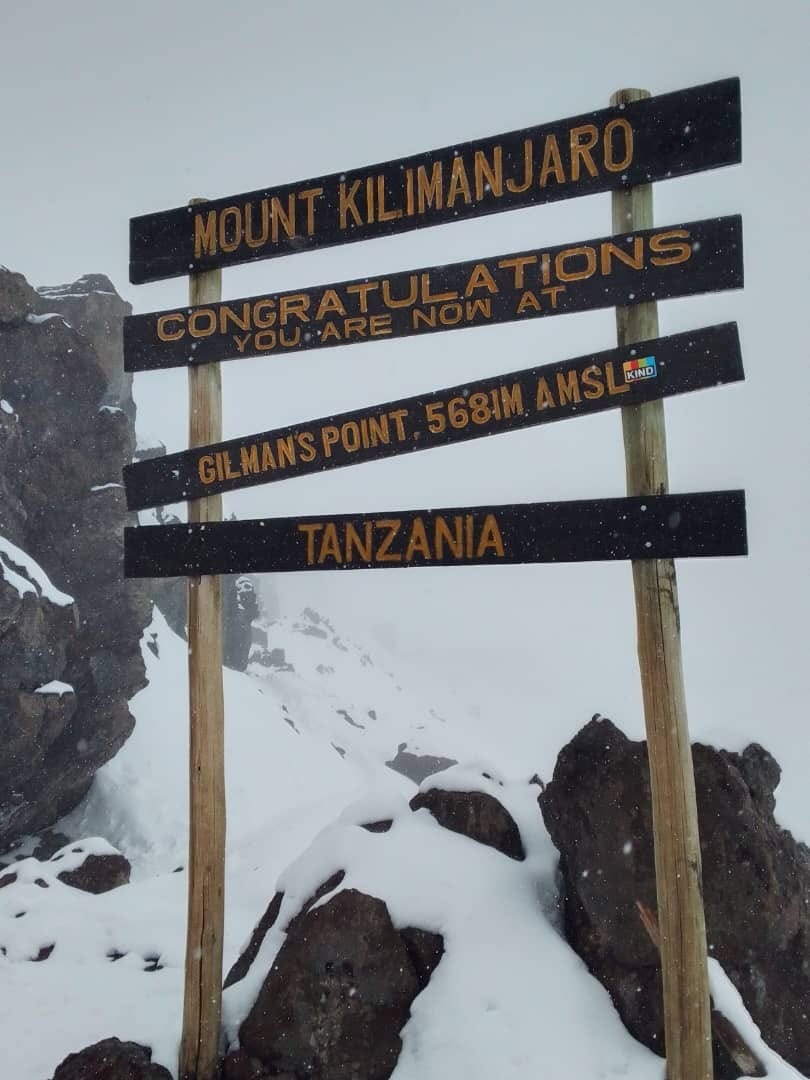
Choose a Route Built for Acclimatization
Tell Our Team your fitness background and available days, we suggest itineraries that favour safer pacing over aggressive shortcuts.
Pole Pole: The Core Habit
Pole pole, slowly, slowly, is more than a slogan. On Kilimanjaro it means matching your walking speed to oxygen reality, not to ego or to the strongest person in the group.
- Take short steps even on gentle gradients
- Keep a rhythm you could sustain for hours
- Drink water steadily; eat even when appetite dips
- Rest at the pace your guide sets, not the pace of summit daydreams
Climbers who feel “too easy” on lower days are often the ones adapting best. Racing early is a common mistake.
Why Longer Routes Help
Extra nights on the mountain generally improve acclimatization odds because your body gains time to adapt. That is why many advisors favour itineraries with more days over the shortest possible path to the crater rim.
- Longer profiles allow “climb high, sleep lower” patterns on some routes
- Fewer rushed stages mean better sleep and recovery windows
- More days cost more, and often buy a safer, more enjoyable experience
Compare options in our routes guide and be honest about holiday length when you request a quote.
Unsure between a 6-day and 8-day profile? Ask us which matches your dates and risk comfort.
Get Route AdviceListen to Your Guides
Your mountain crew has repeated this trail far more than any first-time climber. Daily health checks, pace changes, and camp decisions are part of their job.
- Report headaches, nausea, unusual fatigue, or confusion early, do not hide symptoms to “stay strong”
- Accept a slower day if the guide recommends it
- Follow instructions on clothing layers; temperature swings are sharp
- Trust turnaround calls on summit night if conditions or health demand it
Difficulty context: climbing Kilimanjaro difficulty.
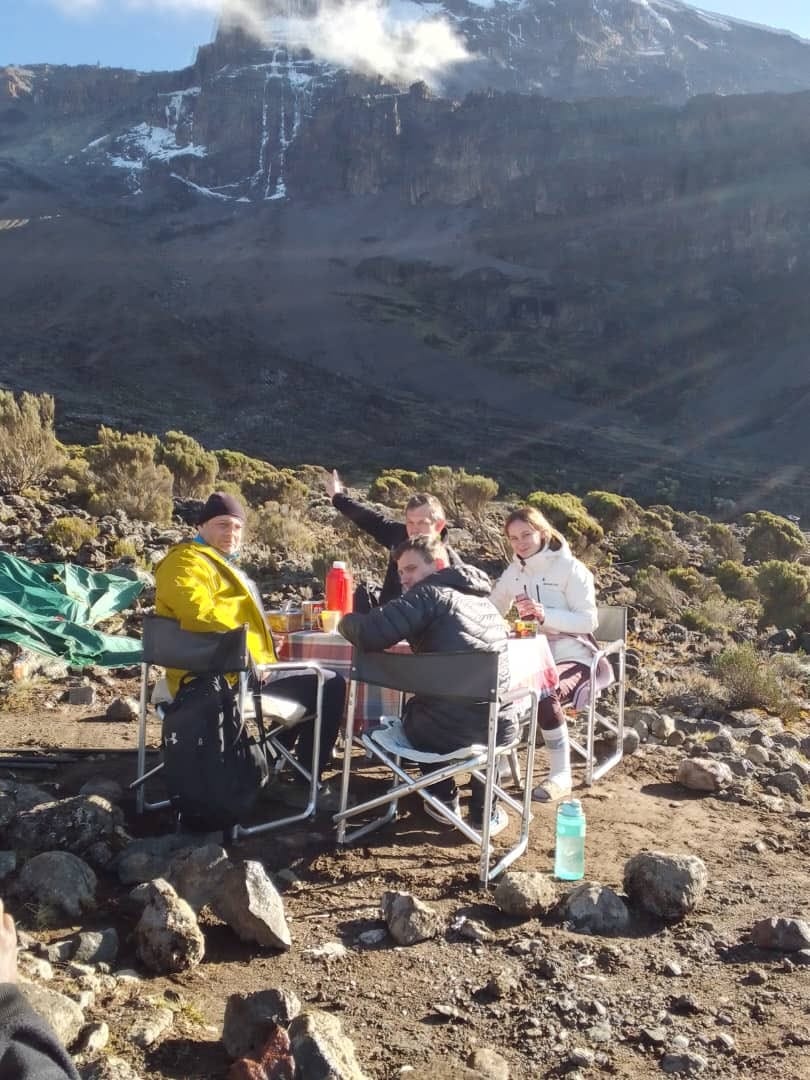
When Descending Is the Right Call
Reaching Uhuru Peak is a powerful goal. Returning safely is the non-negotiable one. Altitude illness can worsen with continued ascent.
- If guides say descend, descend
- Do not pressure teammates to push through serious warning signs
- Descent is not failure, it is the correct safety response
- Evacuation support exists for a reason; use the team’s protocols
Again: this is general education. Your clinician and your on-mountain guides own personal medical and safety decisions.
Practical Prep (Non-Medical)
- Choose a route length that favours acclimatization, not only the cheapest quote
- Break in boots on hills at home; train for hours of slow hiking
- Pack layers, a quality sleeping system as advised, and headlamp batteries
- Arrange travel insurance that covers trekking at Kilimanjaro elevations
- Plan rest after the climb before a full safari if combining trips
Start planning via Kilimanjaro packages or booking, Our Team will pair route length with your calendar.
Acclimatization FAQs
What does pole pole mean on Kilimanjaro?
Are longer routes better for acclimatization?
Is this medical advice?
When should someone descend?
Can I safari after climbing?
Plan a Safer-Paced Kilimanjaro Climb
John Raphael Shayo & team · Tanzania Safari Magic · Arusha · WhatsApp +255 695 108 009