How hard is climbing Kilimanjaro? For most people the mountain is a high-altitude trek, not a technical climb, the challenge is thin air, cold summit nights, and multi-day endurance, not ropes or rock walls.
Tanzania Safari Magic in Arusha helps you choose route length and pacing so difficulty stays manageable. Start with our Kilimanjaro climbs, explore the park on Mount Kilimanjaro National Park, and pair trek timing with our best time to visit Tanzania guide.
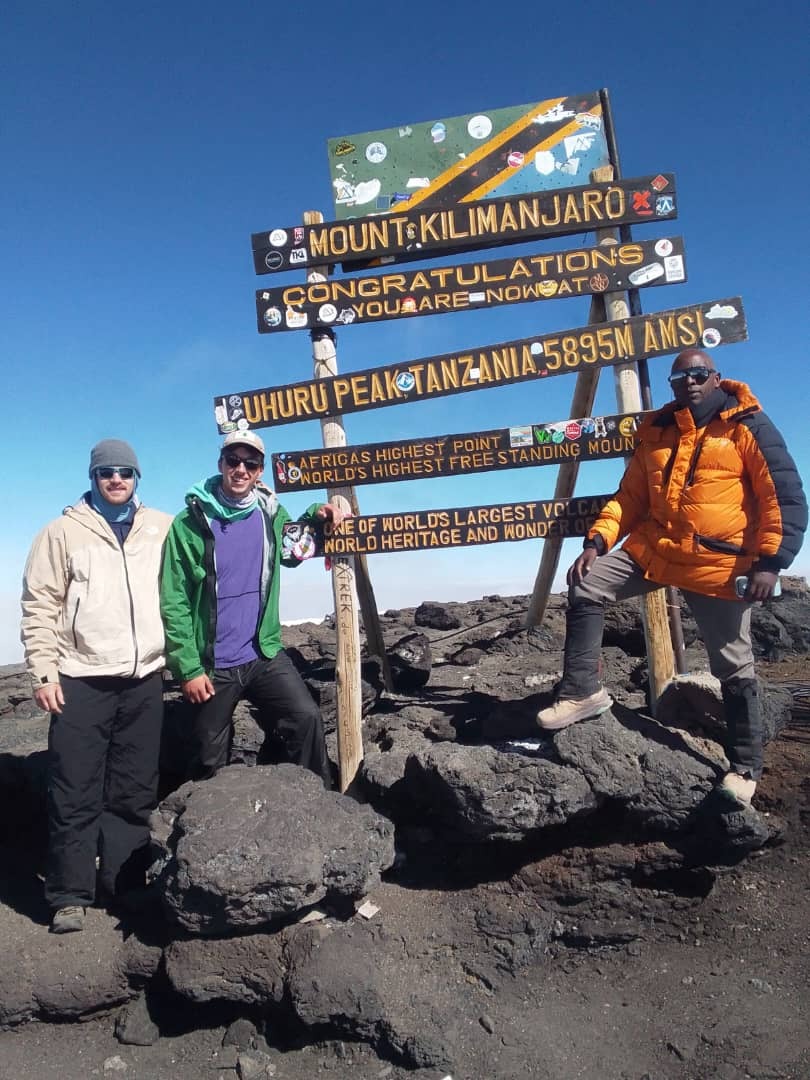
Match Your Fitness to a Route
Tell Our Team your hiking background and dates, we recommend days on the mountain, camps, and a realistic success plan, usually within 24 hours.
The Honest Answer from Arusha
Kilimanjaro is walkable for determined hikers with average-to-good fitness, and still one of the hardest things many guests ever do. There is no rope work on standard routes. You walk. You sleep higher each night. You wake early for a long, cold push to the crater rim.
Difficulty feels different for every body. Two people with the same gym routine can have opposite summit days because altitude response is personal. That is why we plan extra acclimatisation days when schedules allow, and why we never promise a guarantee, only strong logistics and honest coaching.
Altitude Is the Challenge, Not Technical Skill
| Factor | On Kilimanjaro | What it means for you |
|---|---|---|
| Technical climbing | Not required on standard routes | No prior mountaineering certificate needed |
| Altitude | Uhuru Peak ~5,895 m | Breathing feels harder; rest days matter |
| Duration | Typically 6–9+ days | Endurance and sleep quality matter |
| Cold & wind | Summit night can be bitter | Layers and gloves are non-negotiable |
| Trail terrain | Dirt, rock, scree, some steep sections | Poles and boots help; no ropes |
If you can hike several hours on hilly trails at home, you are in the right ballpark. If you have never hiked with a daypack, build that habit before you fly to Arusha. Compare routes in our upcoming planning notes on Kilimanjaro packages and ask Our Team which length fits your fitness.
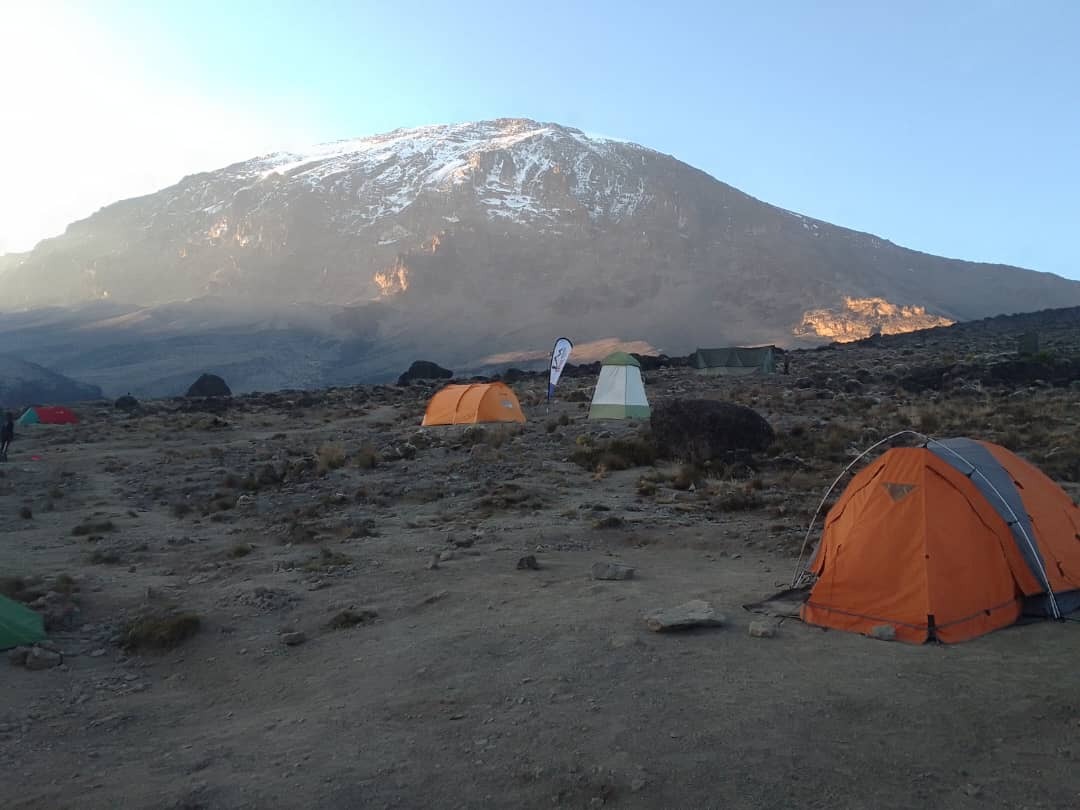
Fitness Expectations (Practical, Not Scary)
You do not need elite athlete status. You do need:
- Cardio base, comfort walking 4–6 hours with rest breaks
- Leg strength, hills, stairs, or loaded day-hikes
- Mental pacing, willingness to go “pole pole” (slowly) even when you feel strong lower down
- Sleep resilience, tents and early starts for several nights
People who train only on flat treadmills often feel surprised by uneven volcanic rock and long downhill days. Mix in real trails when you can. For a training mindset (not medical advice), see our guide on how to train for Kilimanjaro.
Unsure if your fitness is ready for 7–8 days?
Get Free QuoteSummit Night: Where Difficulty Peaks
Most guests describe summit night as the hardest stretch. You leave camp in the dark, climb slowly for many hours, and arrive near the rim as light returns, cold hands, dry throat, short rest stops. The final crater walk to Uhuru Peak is shorter but still demanding after hours above 4,500 m.
Guides set the pace. Your job is hydration, layers, snacks, and honesty about how you feel. Turning around is always safer than pushing through serious symptoms, Our Team briefs you on that before you leave Arusha.
What Actually Raises Success Odds
- More days on the mountain, longer routes usually acclimatise better than rushed schedules
- Slow walking lower down, arriving “too fresh” at camp is a feature, not a bug
- Hydration & calories, appetite drops with altitude; eat anyway
- Quality operator, experienced guides, fair porter loads, sensible camp kit
- Honest health history, discuss concerns with your doctor before travel; we are not a medical service
Park rules, permits, and safety culture live under Mount Kilimanjaro National Park. Booking locally from Arusha keeps communication clear when weather or pacing changes mid-trek.
Who Finds Kilimanjaro Hardest?
- Guests who underestimate altitude and overbook short routes
- Anyone arriving exhausted from long flights with zero recovery day
- Climbers who race past guides on day two and “pay” later
- People with poor sleep habits who also skip training hills
Age alone is not the story, we see strong summits across a wide range when days and mindset are right. Combine a climb with safari only when recovery nights are built in; ask Our Team via booking before you lock both.
Difficulty by Route Style (Quick Lens)
| Style | Difficulty feel | Notes |
|---|---|---|
| Shorter hut / classic profiles | Harder on lungs if rushed | Fewer nights to adapt |
| Machame / Lemosho style camping | Demanding but well-paced options | Popular balance of views & days |
| Longer northern loops | Physically long, altitude-friendlier | More days, more cost, strong acclimatisation |
Full route comparison belongs in our Kilimanjaro routes guide. Season and crowds also change how hard a day feels, see best time to climb Kilimanjaro and the broader Tanzania timing guide.
Kilimanjaro Difficulty FAQs
Do I need climbing experience?
Is Kilimanjaro harder than a marathon?
Can beginners summit?
When should I talk to a doctor?
Final Thoughts
Kilimanjaro is hard in the ways that matter, altitude, cold, and endurance, and approachable in the ways that scare people unnecessarily. Walk with Our Team from Arusha, pick enough days, and treat summit night with respect. Explore climb options, request a plan on booking, or WhatsApp us to talk fitness and routes honestly.
Talk to Our Team
WhatsApp +255 695 108 009 · info@tanzaniasafarimagic.com · Arusha, Tanzania