How should you train for Kilimanjaro? Build a hiking-first habit: stacked weeks of hills with a daypack, steady cardio, and legs that can handle long descents, then pair that fitness with enough route days so altitude has time to catch up.
This is general preparation guidance from Tanzania Safari Magic in Arusha, not medical advice. Clear health questions with your own clinician. Match training to difficulty realities in climbing Kilimanjaro difficulty, then browse Kilimanjaro dates and booking.
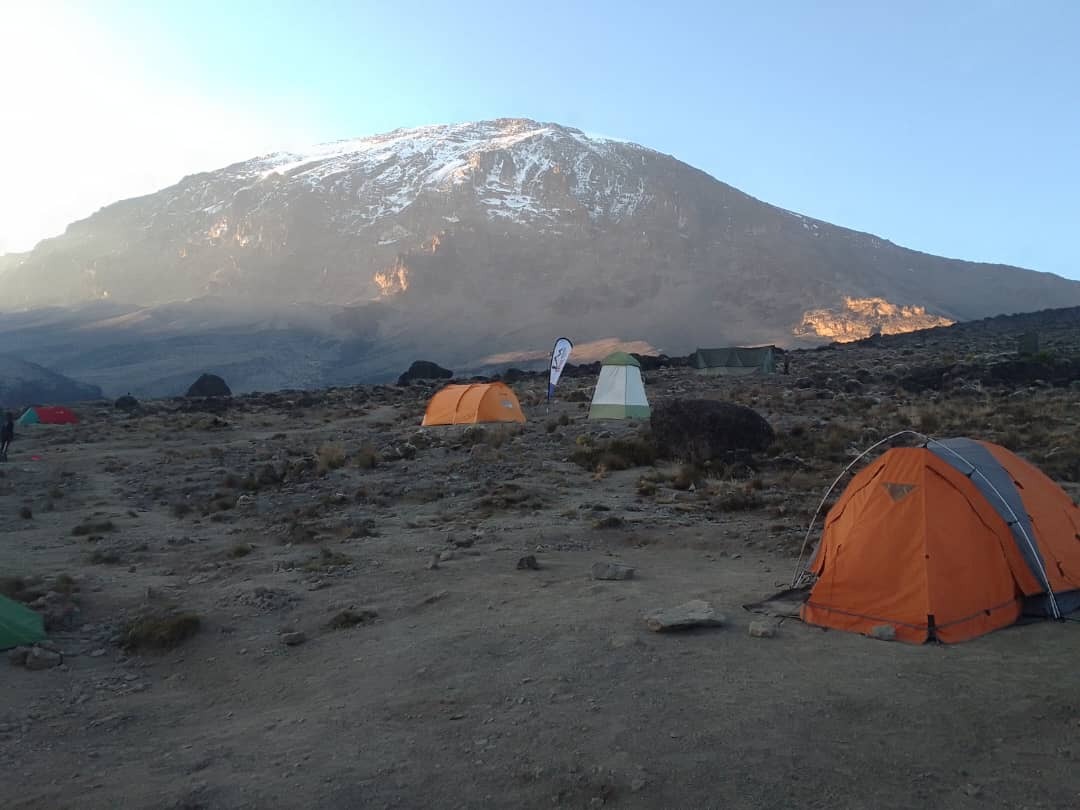
Train with a Route Target
Tell Our Team how many months you have before travel, we suggest day counts and a realistic climb profile while you build fitness.
Training Mindset (What Actually Matters)
Kilimanjaro rewards consistency more than hero workouts. You are practising long days, slow pacing, and recovery, not racing a finish line. The Swahili phrase you will hear on trail, pole pole, should already live in your training weekends.
- Prefer outdoor hills over endless flat treadmill-only weeks
- Wear the boots and pack you plan to use
- Practise eating and drinking on the move
- Sleep and recovery are training, not optional extras
If difficulty still feels abstract, read how hard Kilimanjaro really is before you choose a short route to “save time.”
Timeline Before Departure
| When | Focus |
|---|---|
| 4–6+ months out | Build base cardio; start weekly hill walks; fix weak boots early |
| 2–3 months out | Longer weekend hikes; add pack weight gradually; strength 2× week |
| Final 3–4 weeks | Maintain, do not smash yourself; one longer hike, then taper |
| Travel week | Arrive rested; light walks only; hydrate on the plane |
Starting from a sofa baseline? Give yourself more months or choose a longer route profile with Our Team so the mountain schedule helps your lungs.
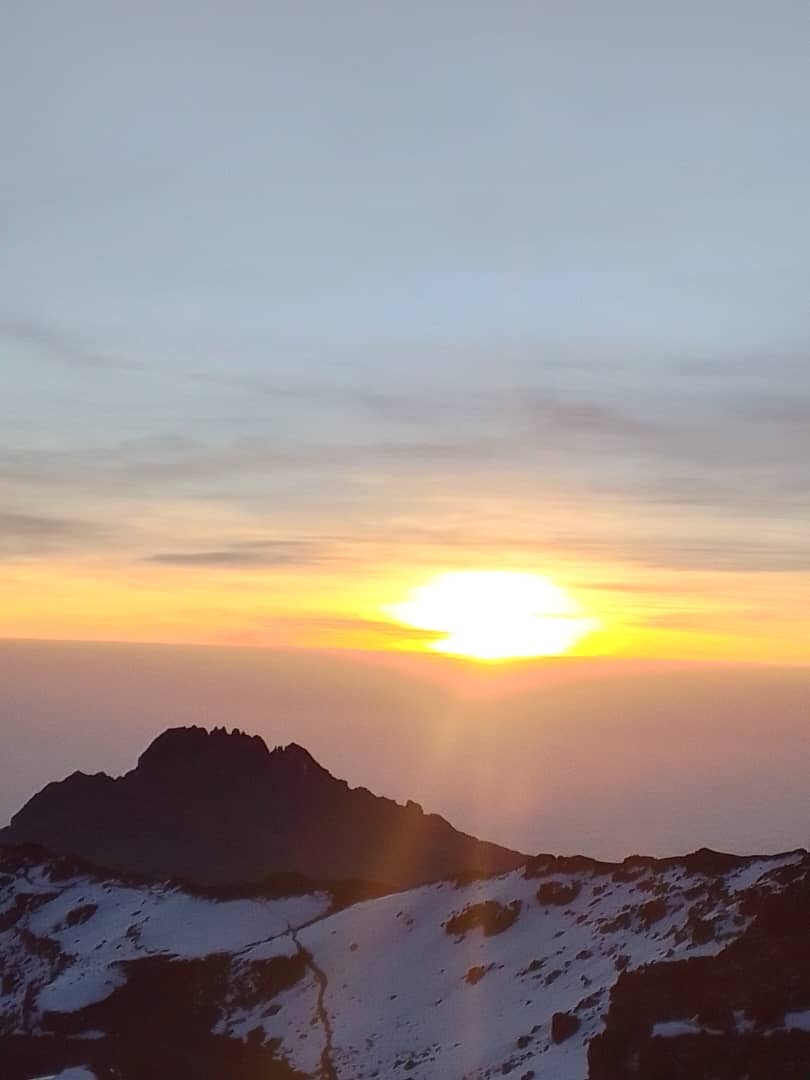
Hiking Practice
Make weekend hikes your main session:
- Begin with 2–3 hours on rolling terrain
- Progress toward 5–7 hour days with breaks
- Add elevation gain whenever your region allows (stairs if not)
- Carry 3–6 kg in a daypack, increasing carefully
- Include downhill focus, quads and knees need rehearsal
Back-to-back Saturday/Sunday hikes once a month teach fatigue management better than one monster day.
Know your leave dates? We will match training time to route length.
Get Free QuoteCardio That Transfers
Between hikes, keep easy-to-moderate cardio 2–4 times weekly: brisk walking, cycling, swimming, or elliptical. Zone-style “conversational pace” builds the engine you need for multi-day trekking. Sprinkle occasional harder intervals only if your joints tolerate them, this is not a marathon peaking plan.
If you already run, keep some trail or hill repeats; flat road racing fitness alone under-prepares ankles and footing on volcanic rock.
Strength for Ups & Downs
Simple, consistent strength work 2 days per week beats complicated programmes you abandon:
- Squats or sit-to-stands
- Step-ups and reverse lunges
- Hip hinges / light deadlift patterns if you know good form
- Calf raises and single-leg balance
- Core bracing (planks, dead bugs)
- Optional light upper-body for daypack comfort
Stop if pain (not normal training discomfort) appears, see a qualified professional. We are safari and mountain logistics specialists, not physiotherapists.
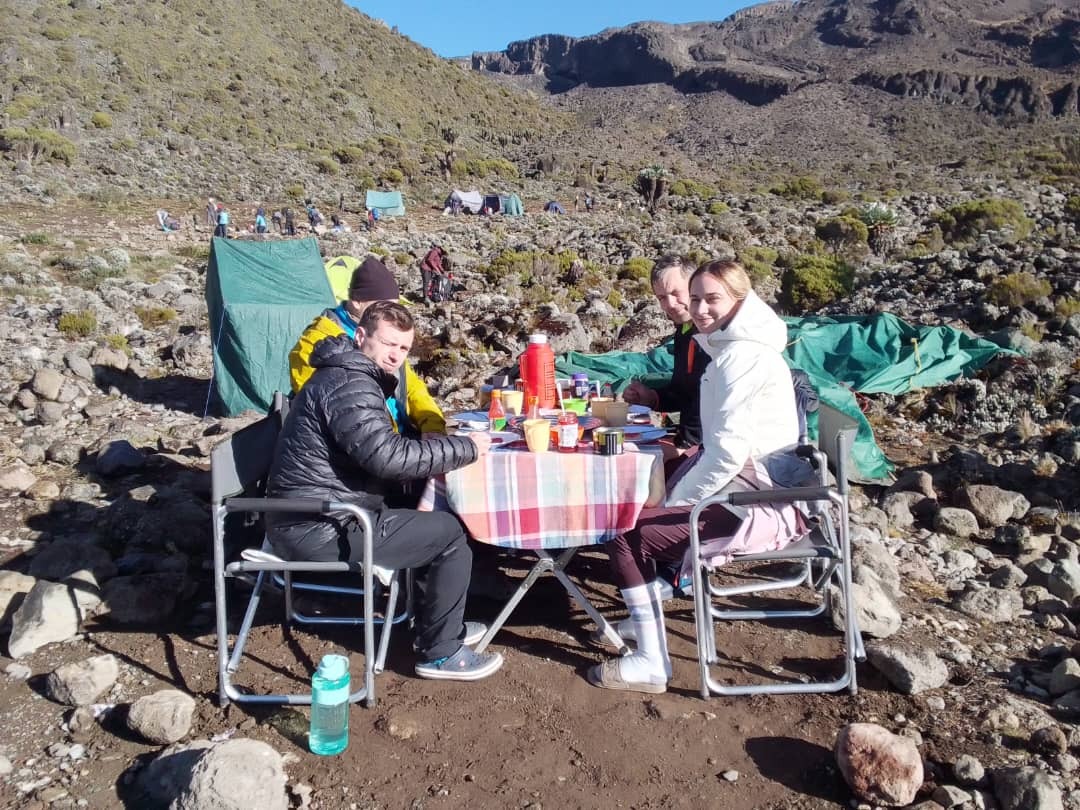
Altitude Prep (Non-Medical)
You cannot fully simulate 5,895 m at sea level. What you can do:
- Choose enough route days (often the highest-leverage “prep”)
- Arrive in northern Tanzania with buffer before the gate when flights allow
- Practise slow pacing and honest communication on training hikes
- Discuss personal medical history and medications with your doctor before travel
- Learn basic symptom awareness from reputable medical sources, not from social media myths
Tanzania Safari Magic monitors guests with experienced guides and follows park safety culture. We do not prescribe drugs or diagnose altitude illness. Your clinician owns that conversation.
Common Training Mistakes
- Buying new boots the week before flying
- Only training flat and fast
- Skipping long descents, then blaming the mountain for sore knees
- Overtraining into illness right before departure
- Booking a short route to compensate for weak fitness (usually backfires)
Packing supports training, cold hands end summit pushes. Skim Kilimanjaro packing list once gear shopping starts.
Training FAQs
How long should I train for Kilimanjaro?
Is gym cardio enough?
Can I train for altitude at home?
Should I hire a personal trainer?
Final Thoughts
Train like you will walk slowly for a week: hills, pack, boots, recovery. Then let Tanzania Safari Magic handle route logistics from Arusha while you stay humble on summit night. Read difficulty, choose dates on Kilimanjaro, and confirm through booking.
Talk to Our Team
WhatsApp +255 695 108 009 · info@tanzaniasafarimagic.com · Arusha, Tanzania