What should you pack for Kilimanjaro? Think in layers, not one giant jacket: moisture-wicking bases, insulating mid-layers, a serious warm belay/summit coat, waterproof shell, and broken-in hiking boots you already trust on hills.
Tanzania Safari Magic runs a gear check mindset before you leave Arusha. Review climb options on Kilimanjaro, request kit questions via booking, or message us through contact.
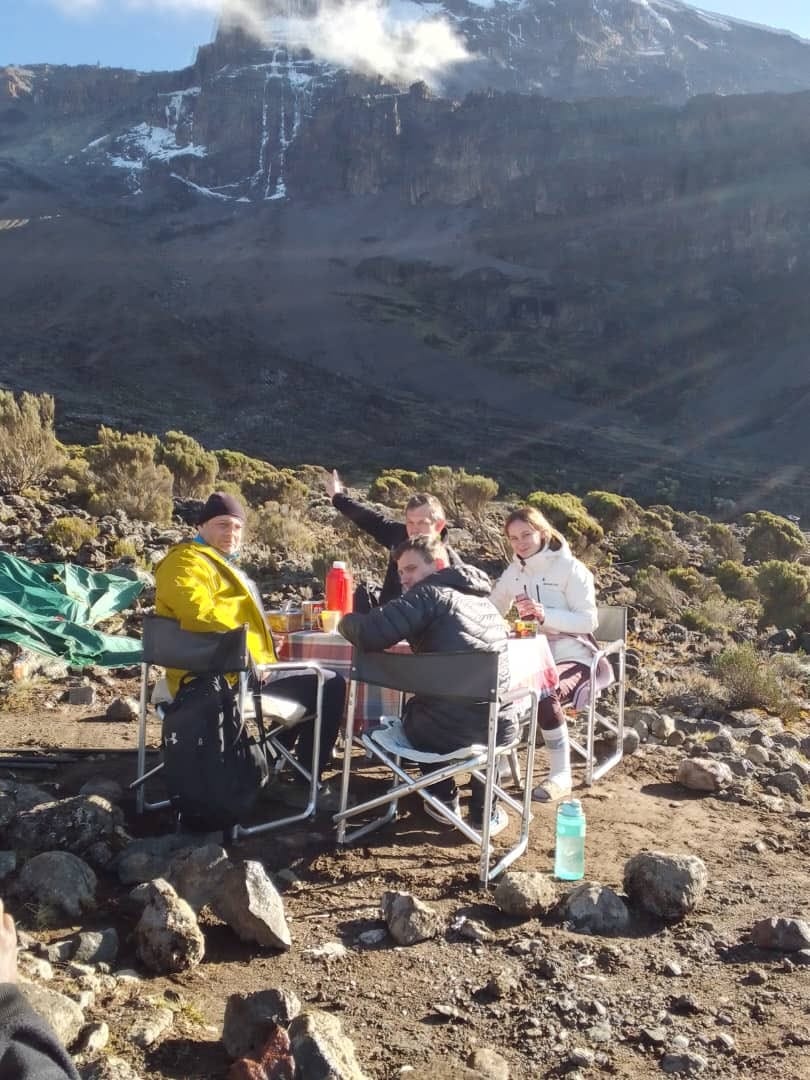
Climb with a Clear Gear Plan
Book your dates first, then Our Team shares a checklist tailored to your route length and season.
Layering System (The Core Idea)
Temperatures swing from warm rainforest mornings to freezing summit wind. Cotton next to skin stays wet and cold, skip it for active layers.
| Layer | Purpose | Examples |
|---|---|---|
| Base | Move sweat away | Merino or synthetic tops/bottoms |
| Mid | Trap warmth | Fleece, light puffy |
| Insulation | Summit & camp cold | Heavy down/synthetic jacket |
| Shell | Block wind & rain | Waterproof jacket & pants |
Add warm hat, neck gaiter, liner gloves + insulated gloves/mittens, and sun hat for lower slopes. Season nuance sits in best time to climb Kilimanjaro.
Boots & Feet
- Broken-in waterproof hiking boots with ankle support, not brand-new on day one
- Spare laces
- Wool or synthetic hiking socks (several pairs) + thin liners if you use them
- Camp shoes or light sandals for evenings
- Gaiters help in mud or scree
- Blister kit (tape, plasters you already know work for you)
Foot pain ends more climbs than ego admits. Train in the same boots you will wear on the mountain, see train for Kilimanjaro.
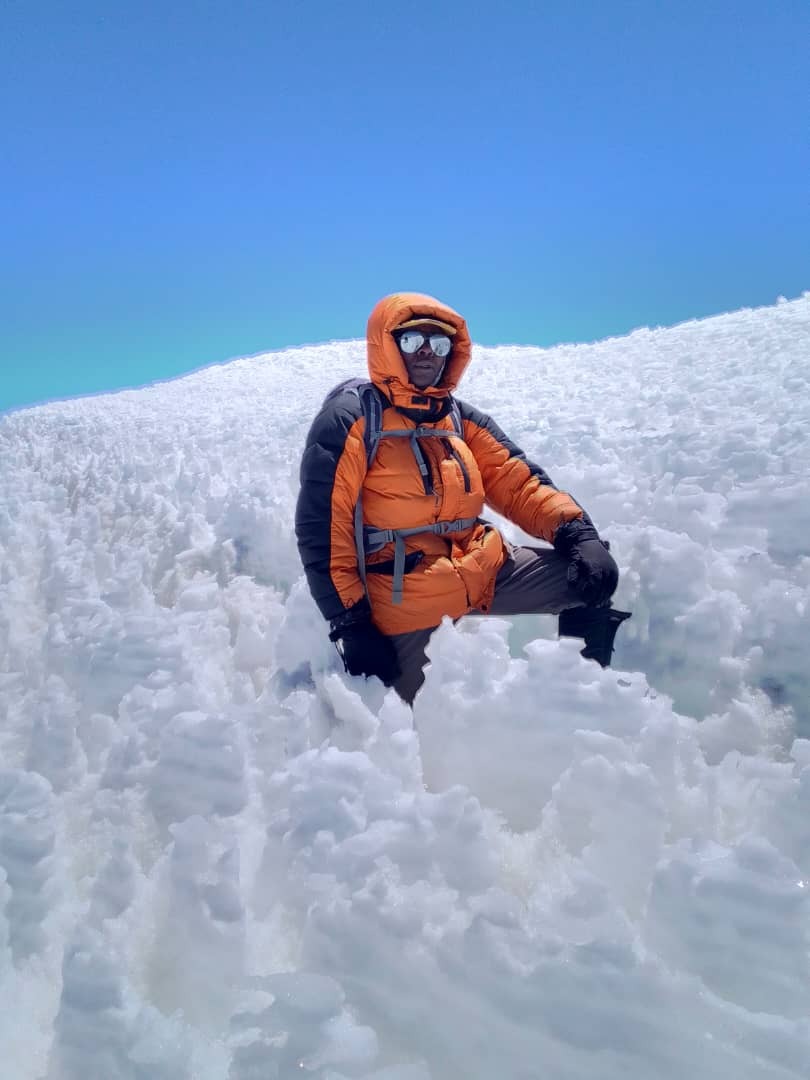
Daypack Essentials
You carry a daypack; porters carry the bulk duffel within park rules. Typical daypack contents:
- Water bottles or hydration system (insulate tubes on summit night)
- Snacks / energy gels you actually like
- Soft shell or fleece for temperature swings
- Waterproof shell reachable without unpacking everything
- Sunglasses, sunscreen, lip balm SPF
- Headlamp with spare batteries (summit night non-negotiable)
- Camera/phone + power bank in a dry pouch
- Personal medications (as advised by your own clinician)
Want a route-specific checklist before you shop?
Contact Our TeamWhat the Operator Typically Provides
On Tanzania Safari Magic climbs, mountain logistics usually cover crew-side infrastructure such as:
- Tents or hut arrangements per route plan
- Sleeping mattresses (confirm bag warmth rating you still need to bring/rent)
- Dining shelter and meal service on camping routes
- Cooking equipment and purified/boiled water processes as briefed
- Private toilet tents on many camping itineraries (confirm on quote)
- Guides, porters, and park fee handling for listed nights
Your written proposal is the source of truth. Ask questions early via booking or contact.
What You Bring (Personal Kit Snapshot)
- Full clothing layering system + summit gloves
- Boots, socks, gaiters, poles (highly recommended)
- Sleeping bag rated for serious cold (rentable if needed)
- Headlamp, water bottles, personal first-aid preferences
- Toiletries, quick-dry towel, wet wipes
- Dry bags / pack liners to protect clothes from rain
- Tips cash in a plan discussed at briefing
Leave room in luggage for a soft duffel that porters can carry comfortably, hard suitcases are the wrong tool for the mountain.
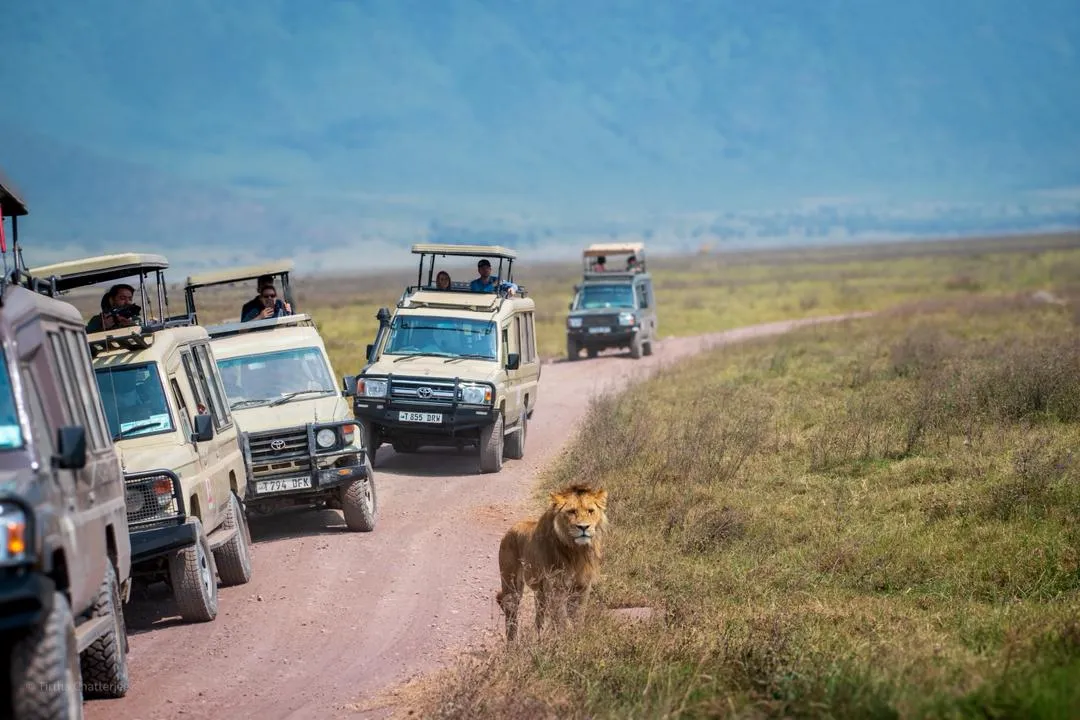
Rentals & Quality Checks
Arusha and Moshi rental markets can fill gaps (bags, poles, jackets). Quality varies. Priority buy-or-bring items: boots you know and a trusted warm sleeping bag. We help you sanity-check rentals during pre-climb briefing, better than discovering a broken zipper at 4,500 m.
If Safari Follows the Climb
Keep a clean set of safari clothes sealed away: neutral shirts, light trousers, sun hat, binoculars. Do not plan to wear summit baselayers on game drives for a week. Our Team can sequence laundry and hotel nights when both trek and safari are on one booking through Kilimanjaro + safari planning.
Packing FAQs
Can I rent everything locally?
How warm must my sleeping bag be?
Are trekking poles necessary?
What should I leave in Arusha?
Final Thoughts
Pack layers, trust your boots, and know what Our Team supplies before you overbuy. Start with Kilimanjaro dates, ask kit questions on contact, and confirm inclusions on your booking quote.
Talk to Our Team
WhatsApp +255 695 108 009 · info@tanzaniasafarimagic.com · Arusha, Tanzania