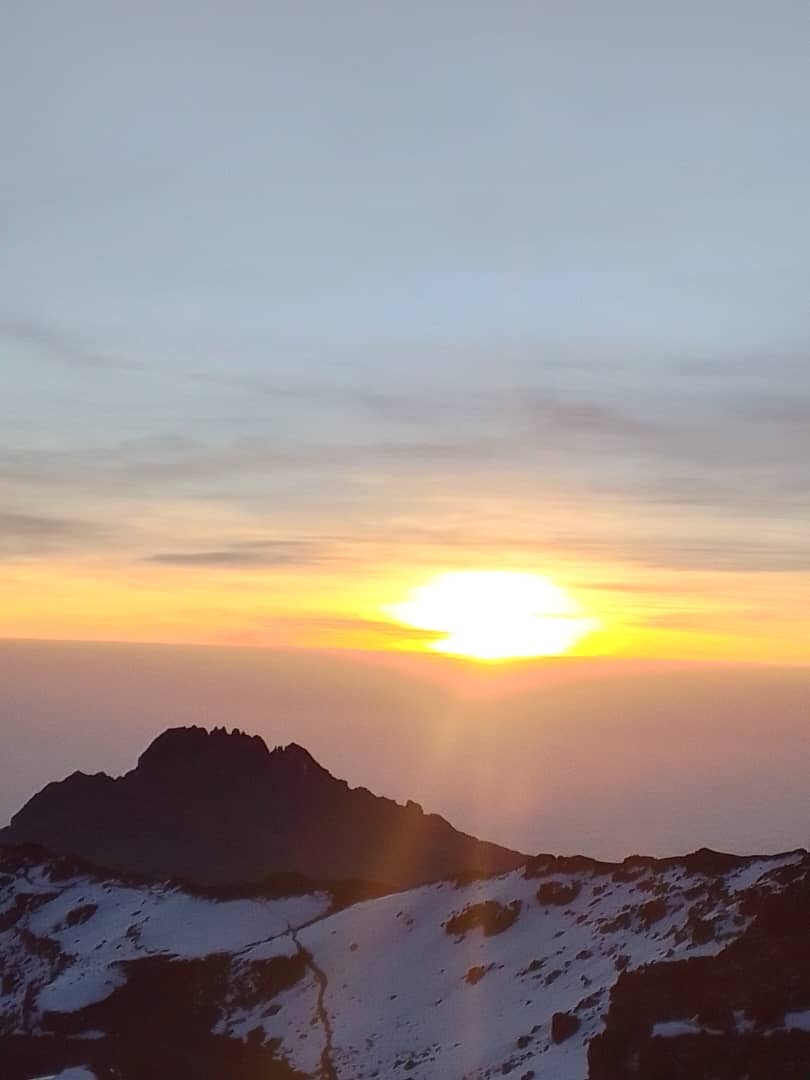
When is the best time to climb Kilimanjaro? Most trekkers prefer the drier-leaning windows around January–early March and June–October, when trails are firmer and summit views are more reliable, while greener months can still work with flexible expectations.
Tanzania Safari Magic in Arusha helps you stack climb days with safari months that actually match your wildlife goals. Explore Kilimanjaro climbs, the broader best time to visit Tanzania calendar, and migration timing if herds are on your wishlist.
Pick Climb Dates with Our Team
Tell us whether you want mountain only, or mountain + safari/migration, we propose a realistic calendar within 24 hours.
Dry vs Wet Season for Climbing
| Drier-leaning periods | Wetter / greener periods | |
|---|---|---|
| Trail conditions | Generally firmer underfoot | Mud possible; slower days |
| Views | Often clearer summit mornings | Cloud and rain more common |
| Crowds | Peak in popular holiday weeks | Quieter midweek / some months |
| Mindset | Classic “postcard” climb feel | Flexible, waterproof layers essential |
Kilimanjaro makes its own weather. Even in “good” months you can walk into mist. Pack for cold and wet regardless, see our packing list when you are closer to departure.
Preferred Climb Windows
January–early March often offers a strong balance: warmer lower slopes, popular summit success stories, and a chance to add a calving-season safari afterward. June–October is the classic dry safari season on the plains and a favourite climb block for many international travellers.
- Jan–Feb, popular; book early for private teams
- Jun–Sep, peak demand; cold summit nights, busy popular routes
- October, still often excellent; watch short-rain onset later in the month
Full country-level safari timing lives in best time to visit Tanzania. Use that guide when your trip is bigger than the mountain alone.
Wetter Months, Honest Trade-offs
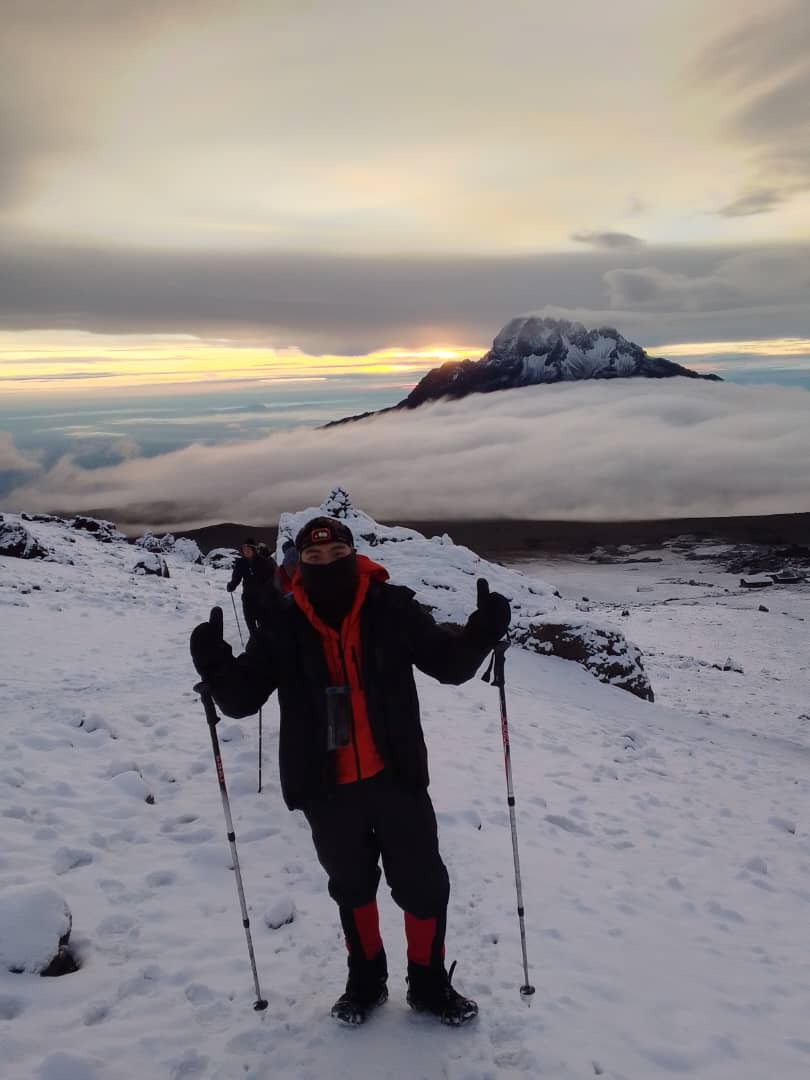
Long rains (often peaking around March–May) and patches of short rains (late year) bring muddier lower trails, more cloud, and occasional route adjustments. Climbs still happen, many quiet, green, and photogenic, but you must accept weather as a co-author of the story.
- Bring stronger waterproof shells and gaiters
- Allow mental flexibility if views stay socked in
- Ask Our Team which routes feel kinder in wetter weeks
We never pretend rain is “charming” for everyone. If summit photos are non-negotiable, we steer you toward drier windows when calendars allow.
Have fixed holiday leave? We will map the best climb week inside it.
Get Free QuoteCrowds & Camps
July–August and major holiday blocks put more boots on popular trails. Longer or less-crowded route profiles help, as does starting midweek when your flights allow. Private groups still share campsites on public routes, solitude is relative on a famous mountain.
If quiet nights matter more than peak dry weather, shoulder weeks inside preferred seasons (or carefully chosen greener months) can feel calmer. Browse frameworks on Kilimanjaro and tell us your crowd tolerance.
Pairing Climb Dates with Safari Months
Two popular patterns Our Team builds from Arusha:
- Climb in a dry window → safari in the same dry block, classic wildlife concentrations, one weather story
- Climb Jan–Feb → safari for calving / green beauty, mountain first, then southern Serengeti or mixed northern parks
Always leave at least one recovery night before long dusty game drives. Tired legs and crater rim days do not mix well with 5 a.m. start times.
Migration Overlap
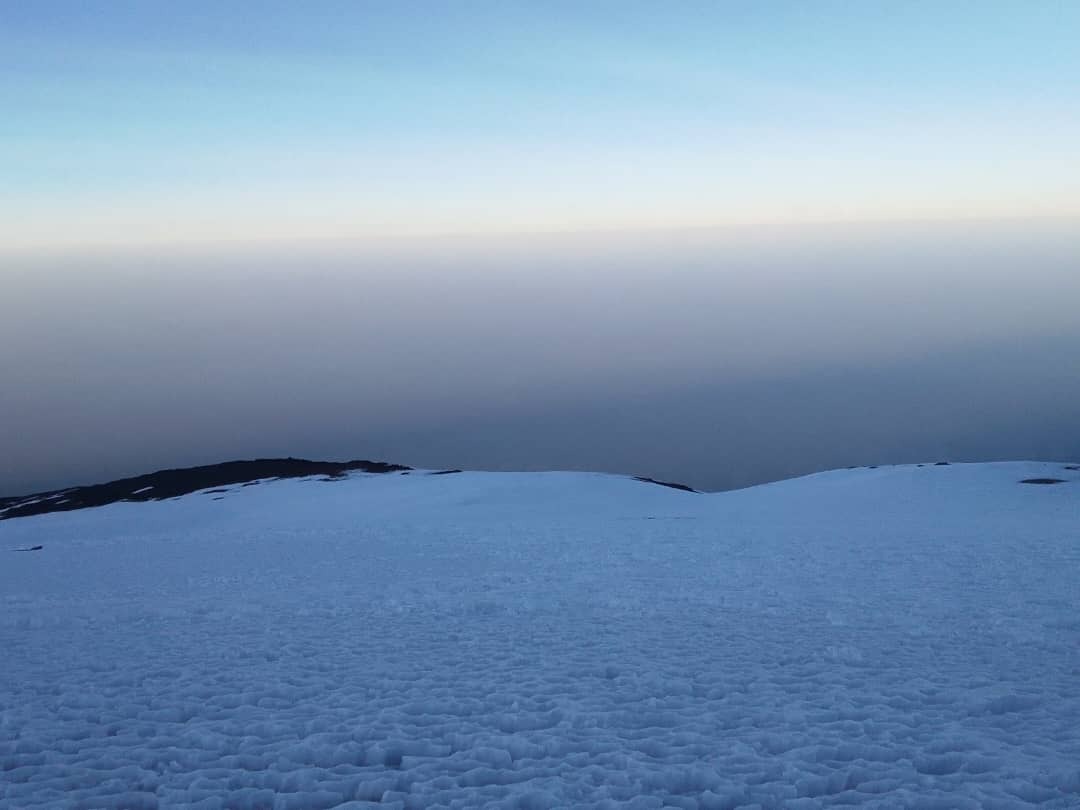
If river crossings or calving herds are your safari priority, climb dates should orbit those chapters, not fight them. Rough guide:
- Jan–Mar, calving plains focus after (or before) a climb
- Jul–Oct, northern Serengeti / Mara River drama with a dry-season trek
Herd location is never weekly-guaranteed. Use our migrations overview and confirm live reports with Our Team before you buy non-refundable flights.
How We Plan Dates from Arusha
- Your fixed constraints (school holidays, flights already bought)
- Climb length needed for your fitness (see difficulty guide)
- Safari or beach add-ons and transfer buffers
- Route preference and camp style
Then we propose a concrete start date and park-fee nights. Request that plan via booking or WhatsApp, faster than guessing from a generic month chart alone.
Best Time to Climb FAQs
Is there a single best month?
Can I climb during the rains?
When should I book?
Should I climb before or after safari?
Final Thoughts
Aim for dry-leaning months when you can, stay open-eyed about wetter weeks, and let safari or migration goals pull the calendar when wildlife is the co-headline. Start on Kilimanjaro, cross-check Tanzania seasons, then lock dates through booking.
Talk to Our Team
WhatsApp +255 695 108 009 · info@tanzaniasafarimagic.com · Arusha, Tanzania