Ngorongoro Crater is one of East Africa’s most concentrated wildlife stages, a collapsed volcanic caldera where lions, elephants, buffalo, and scarce black rhinos share open grassland, soda flats, and forest patches below the rim.
This guide from Tanzania Safari Magic (Our Team in Arusha) covers what matters for planning: wildlife highlights, climate, best months, how a crater day fits a northern circuit, floor areas worth knowing, booking choices, fee mindset, rim vs Karatu stays, and FAQs. Pair it with our ultimate Tanzania safari guide for the full trip picture.
Plan Your Ngorongoro Crater Day
Tell Our Team your dates and lodge style, we build a private crater visit (or full northern circuit) with transparent fee inclusions, usually within 24 hours.
About Ngorongoro Crater & the Conservation Area
The crater sits inside the wider Ngorongoro Conservation Area (NCA), a UNESCO World Heritage landscape where wildlife conservation and Maasai pastoral life coexist. The caldera floor is roughly 260 km² of grassland, swamp, woodland, and the shallow soda waters of Lake Magadi.
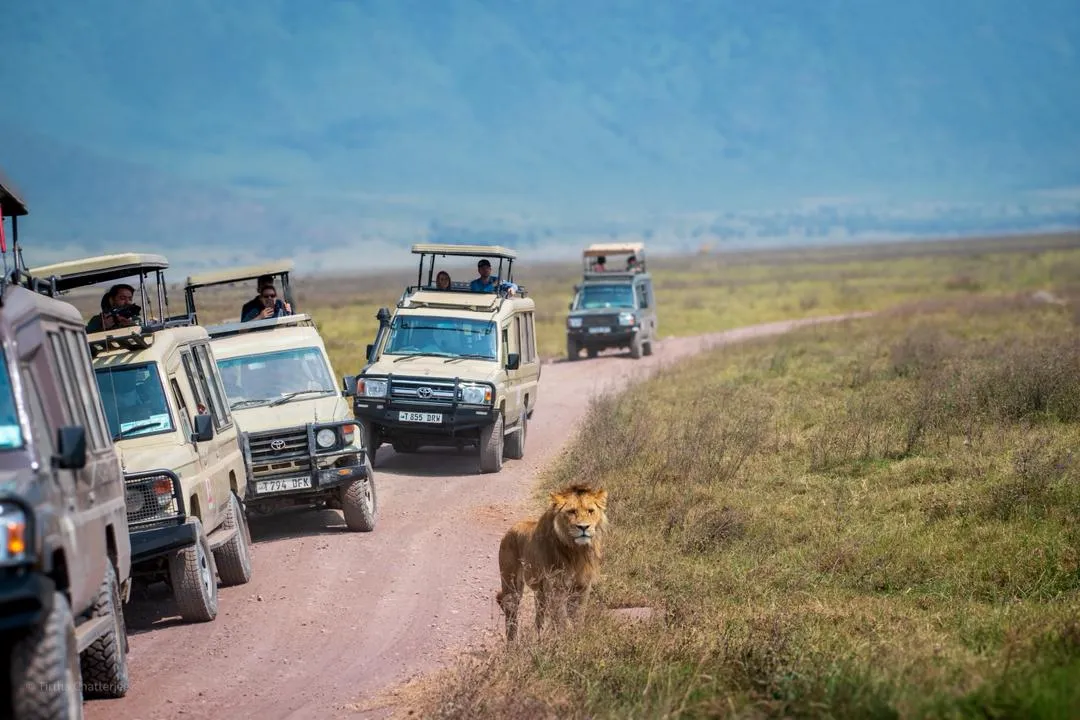
Most travellers experience Ngorongoro as a guided day descent from the rim, then continue to or from Serengeti National Park or Tarangire. It is not a multi-day walking wilderness like parts of Serengeti, it is a dense, vehicle-based wildlife theatre that rewards an early start and a patient guide.
I’m John Raphael Shayo, and with Our Team at Tanzania Safari Magic we place crater days where they make logistical sense: after Tarangire, before or after Serengeti, never as a rushed half-hour photo stop.
Wildlife on the Crater Floor
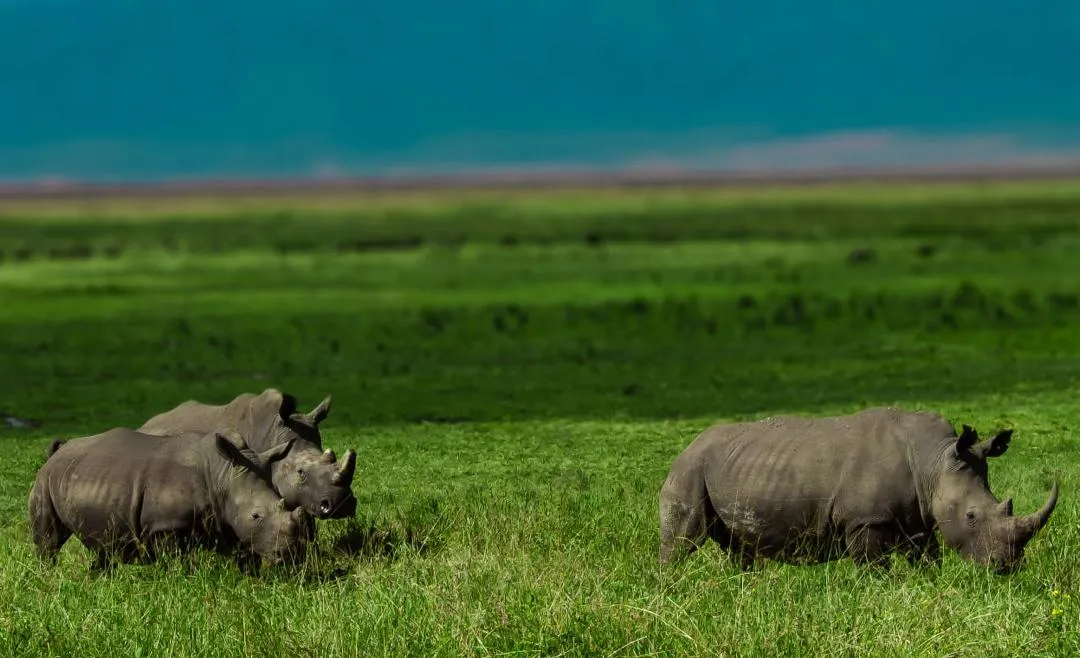
Ngorongoro is famous for Big Five potential in one basin. Expect high densities of buffalo and zebra, strong lion prides on open plains, and elephants moving between forest edges and grassland. Leopards are more elusive but present; hyenas are highly visible.
- Black rhino, Ngorongoro is one of the better daytime rhino chances on the classic northern route; sightings still depend on luck and ranger intelligence.
- Hippo & birds, pools and swamp edges hold hippos; flamingos and waterbirds gather around Lake Magadi when conditions favour them.
- Not “everything always”, giraffe and some antelope are more common on the rim highlands than on the floor; your guide paces the day for what’s active.
For the wider Tanzania wildlife story, migration herds, Serengeti cats, Tarangire elephants, start with our Tanzania safari pillar guide.
Climate & What to Pack
The rim sits high (around 2,200–2,400 m), so mornings can feel cold even in the dry season. The crater floor is warmer once the sun is up. Pack layers: fleece for the descent, sun hat and sunscreen for midday, binoculars for distant rhino scans.
| Season | What to expect | Packing note |
|---|---|---|
| Jun–Oct (dry) | Clear viewing, busy rim road | Warm dawn layers + dust scarf |
| Nov–Dec (short rains) | Green grass, softer light | Light rain jacket |
| Jan–Feb | Often pleasant; good photography | Sun protection midday |
| Mar–May (long rains) | Lush floor; some muddy tracks | Waterproof shell; flexible timing |
Best Time to Visit Ngorongoro Crater
June–October offers reliable dry-season viewing and pairs naturally with northern Serengeti river-crossing months. January–February can be excellent for photography and combines well with southern Serengeti / Ndutu calving if you’re following herds.
Long rains (roughly March–May) bring fewer vehicles and vivid green scenery, still workable with local guiding, though some tracks soften. For month-by-month Tanzania timing, read our best time to visit Tanzania guide; for herd movement that shapes the wider circuit, see the Great Wildebeest Migration guide.
Not sure which month fits crater + Serengeti together?
Ask Our TeamHow Many Days Do You Need?
- One crater-floor day, the standard, high-value option inside a 5–8 day northern safari
- Rim or Karatu night before, lets you enter early and maximise cool morning hours
- Two floor days, optional for serious photographers; most first-timers do better adding Serengeti nights instead
Browse live durations on our safari packages page, or join a fixed-date option via group safaris if you prefer shared departures.
Safari Areas Inside the Crater
Guides don’t “choose a trail” the way you might in Serengeti, you follow a network of tracks across key habitats:
- Crater floor grasslands, primary hunting and grazing stage for lions, buffalo, zebra, and wildebeest
- Lake Magadi, shallow soda lake; flamingos and shorebirds when water chemistry and levels align
- Lerai Forest, yellow fever acacia woodland; elephants and cooler shade stops
- Swamp & hippo pools, water-dependent wildlife and birdlife
- Crater rim, viewpoints, highland forest edges, and lodge bases before or after the descent
More destination context: Ngorongoro Conservation Area.
Activities & How a Day Works
- Early gate timing from rim or Karatu
- Guided game drive across floor habitats (no off-road walking with predators)
- Picnic lunch at designated sites
- Afternoon wildlife push, then ascent before closing rules
Optional add-ons on the wider NCA / northern circuit include cultural visits arranged respectfully, and combining with Serengeti balloon mornings on other days. Walking safaris are not the crater-floor product, stay vehicle-based with your guide.
Booking Local vs Overseas Agent
For most travellers, a licensed local operator in Arusha delivers clearer pricing, current fee knowledge, and flexible lodge swaps when availability shifts. Overseas agents can work, but often add markup on the same vehicles and camps.
- Local (recommended): Tanzania Safari Magic quotes private crater days inside full itineraries
- Private safari: your vehicle and guide, best for couples, families, photographers
- Shared / group: lower cost per person, see group safaris
Start a plan on our booking form or WhatsApp Our Team with your travel window.
Prices & Fees Mindset
Ngorongoro’s conservation and crater fees are a meaningful share of daily safari cost. Mid-range private northern circuits that include a crater day typically fall in the same broad bands as other classic parks, often hundreds of USD per person per day all-in, depending on lodge tier and season.
For budget, mid-range, and luxury ranges across Tanzania, read our full Tanzania Safari Cost 2026 guide. We itemise park/crater fees on every quote so you know what’s included.
Safety on the Crater Floor
- Remain in the vehicle except at authorised picnic or rest areas
- Follow your guide’s instructions around predators and rhinos
- Keep arms and cameras inside when animals approach closely
- Altitude on the rim: move steadily if you feel light-headed
Licensed guiding and maintained 4x4s are non-negotiable, that is how Our Team operates every crater day.
Where to Stay: Rim vs Karatu
| Base | Best for | Trade-off |
|---|---|---|
| Crater rim lodges | Shortest drive to descent; views | Higher rates; book early in peak months |
| Karatu / Highlands | Value, gardens, easy Tarangire link | Longer dawn transfer to the rim gate |
| Inside-circuit mobile plans | Migration-focused Serengeti trips with one crater day | Less “rim sunset” time |
After the bush, many guests continue to Zanzibar, we can attach beach nights to any crater-inclusive itinerary. For beach planning detail, see our Zanzibar guide.
Ngorongoro Crater FAQs
Can you see the Big Five in Ngorongoro Crater?
How many days do I need for Ngorongoro?
Is Ngorongoro expensive compared with other parks?
Should I stay on the crater rim or in Karatu?
Is Ngorongoro safe for families?
Ready for Ngorongoro with Our Team?
Licensed local operator · John Raphael Shayo & team · Arusha, Tanzania · WhatsApp +255 695 108 009