If you’re planning a Tanzania safari, there’s a good chance you hope to witness one of the world’s last great wildlife migrations, the circular trek of more than 1.5 million wildebeest (plus zebra and gazelle) across the Serengeti–Maasai Mara ecosystem.
This guide from Tanzania Safari Magic in Arusha focuses on the Serengeti chapters of the Great Migration: where the herds move month by month, when to book for calving or river crossings, and how to build a private itinerary that actually puts you in the right place.
Plan Your Migration Safari
Tell Our Team your dates and whether you want calving, Grumeti, or Mara crossings, we match camps and vehicles within 24 hours.
Wildebeest Migration Quick Facts
- Herd size: ~1.5 million wildebeest, hundreds of thousands of zebra & gazelle
- Distance: roughly 800 miles / 1,000 km each year
- Driver: seasonal rainfall and fresh grazing
- Calving peak: ~8,000 calves per day in peak southern weeks (Jan–early Mar)
- Signature moments: Ndutu calving, Grumeti crossings, Mara River crossings
- Serengeti role: home stage for most of the annual loop; UNESCO World Heritage (1981)
When Is the Best Time to See the Great Migration?
The migration is a year-round phenomenon, but the “wow” moments need the right region and month. Patterns are fairly consistent, yet rains can push herds early or late. Book the experience you want, then stay flexible on exact camp nights.
| Experience | Typical months | Where in Serengeti |
|---|---|---|
| Calving season | Jan–Mar | Southern plains / Ndutu |
| Grumeti River crossings | May–Jun | Western Corridor |
| Mara River crossings | Jul–Oct | Northern Serengeti |
| Vast dry-season herds | Jun–Oct | Follow herds + central predators |
Many travellers call July–September the classic Tanzania window: dry roads, clear game viewing, and northern crossing odds. January–February is equally special if newborns and big-cat hunts are your priority.

Where Does the Wildebeest Migration Happen?
The loop runs clockwise through northern Tanzania and southern Kenya, always chasing rain. Inside Tanzania the main stage is Serengeti National Park (~14,763 km²), contiguous with Ngorongoro’s short-grass calving grounds and bordered to the north by Kenya’s Maasai Mara.
Wildebeest detect distant rainfall and learn approximate routes in their first year, which is why the path shifts slightly each season even though the overall circle endures.
Serengeti Migration Highlights
1. Calving on the Ndutu & southern plains
Nutrient-rich volcanic soils (linked to the ancient Ngorongoro eruptions) feed mineral-rich grass. Mothers produce rich milk; calves stand within minutes. Predators concentrate on the nursery, intense for photographers.
2. Grumeti River crossings
Western Corridor crossings (often May–June) bring crocodile drama with fewer vehicles than the Mara peak. A smart pick for guests who want action without peak-season northern rates.
3. Mara River crossings
The iconic leap: strong currents, Nile crocodiles, and tens of thousands of animals choosing when to cross. From the Tanzania side you base in northern Serengeti camps near the river, book early for July–October.
Month-by-Month Serengeti Migration Map
Open a dedicated original guide for every month, the same series structure travellers expect, written for Tanzania Safari Magic:
| Month | Where herds typically are | What you’ll notice |
|---|---|---|
| January–March | South / Ndutu short-grass plains | Calving peak Jan–Feb; predator theatre |
| April–May | Moving west & through central routes | Long rains; lush landscapes |
| May–June | Western Corridor / Grumeti | River crossings begin |
| July–October | Northern Serengeti (↔ Mara) | Mara River crossings; dry-season clarity |
| November | Pushing south again | Short rains; herds return toward Ndutu |
| December | Southern plains assembling | Prequel to calving; festive travel |
Country-wide months: April in Tanzania, May in Tanzania, October in Tanzania. Central Seronera remains excellent for lions, leopards, and cheetahs even when mega-herds are elsewhere, a reliable backbone for any Serengeti safari.
Is Tanzania or Kenya Better for the Great Migration?
Both work. Tanzania usually has the edge for a full migration story:
- Herds spend most of the year in Tanzania
- Calving and Grumeti crossings are Tanzania-only chapters
- Northern Serengeti Mara crossings often feel less congested than the Mara Reserve peak
- Easy combination with Ngorongoro Crater on the same circuit from Arusha
Kenya wins on shorter road access from Nairobi and a compact reserve. If your trip already centers on northern Tanzania parks, Serengeti is the natural migration base.
The Migration’s Role in the Serengeti Ecosystem
Wildebeest are the Serengeti’s gardeners, grazing, trampling, and fertilizing on a massive scale, reducing fuel for catastrophic fires and feeding an extraordinary predator community (lions, hyenas, cheetahs, crocodiles, and more). Tourism revenue funds anti-poaching and habitat protection that keep the route open for future generations.
How to Book a Wildebeest Migration Safari
- Choose your highlight, calving, Grumeti, or Mara crossings
- Lock the right region, south, west, or north Serengeti camps
- Add buffer nights, herds don’t keep calendars
- Decide drive-in vs fly-in, north is far by road; flights save time
- Combine parks, Ngorongoro + Serengeti remains the classic pairing
Share your dates on our booking form or WhatsApp, we reply with lodge options and a clear inclusions list.
How Much Does a Migration Safari Cost?
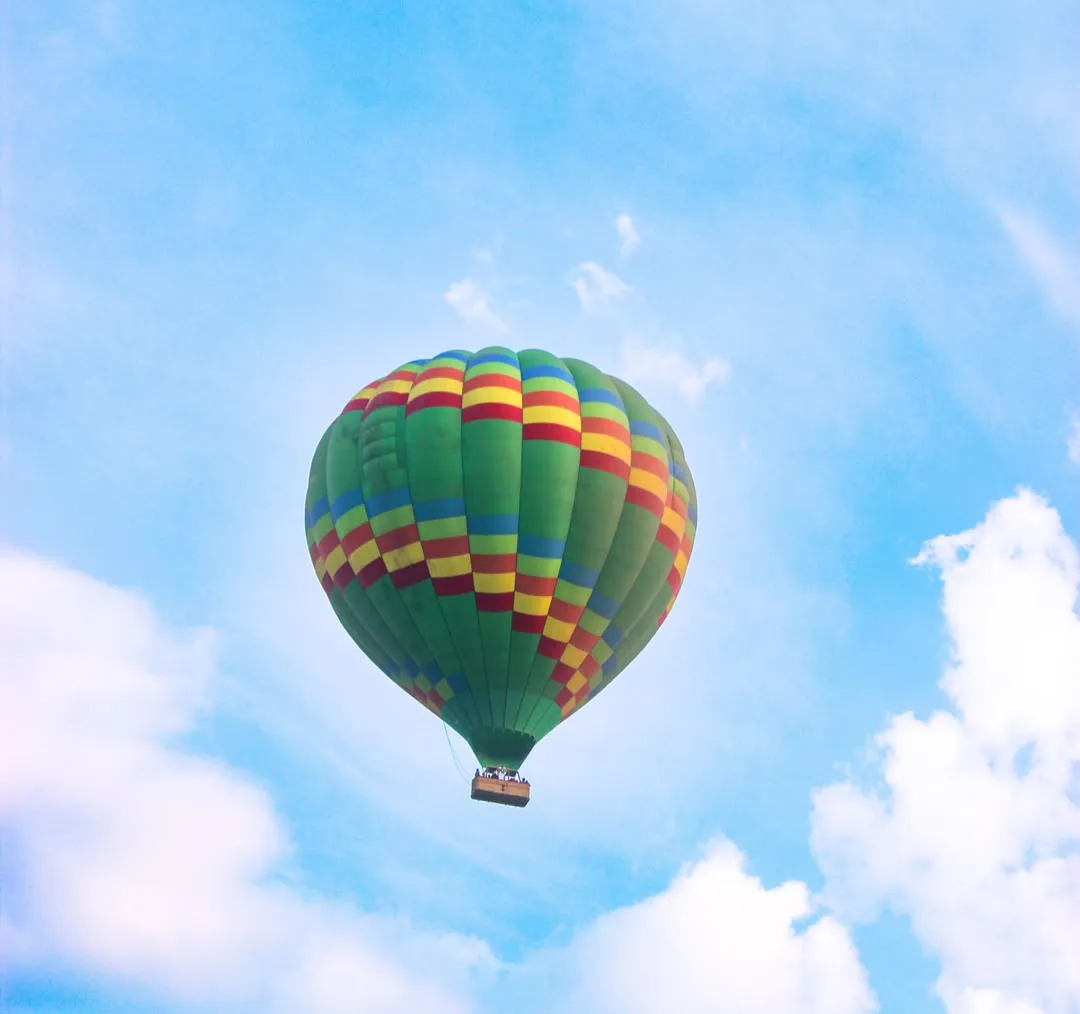
Expect private mid-range northern circuit rates often around the mid-hundreds of USD per person per day; luxury camps and peak northern crossing weeks cost more. Park fees, concession fees, and balloon flights are itemized on quotes. Full ranges: Tanzania safari cost 2026.
Migration Safari FAQs
When is the best time to see the Great Migration in Serengeti?
Is Tanzania or Kenya better for the migration?
How much does a migration safari cost?
How many days should I book?
Ready for the Serengeti Migration?
Licensed local operator · Our Team · Arusha, Tanzania