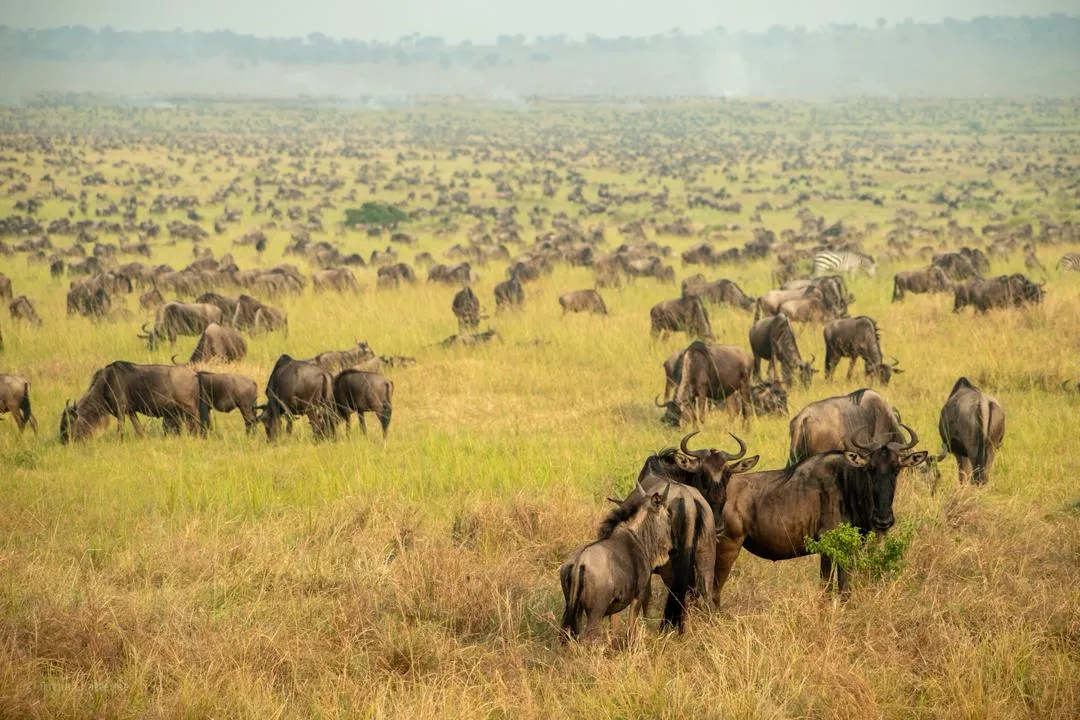
In January, the Great Migration is a southern story. After the short rains, roughly 1.5 million wildebeest plus zebra and gazelle pack the Ndutu short-grass plains on the Serengeti–Ngorongoro boundary, and calving begins in earnest.
This January guide from Tanzania Safari Magic in Arusha is original field-planning advice: where herds typically stand, why early versus late January feels different, and how we build a private Serengeti safari that still includes Ngorongoro Crater.
Plan a January calving safari
Tell Our Team your dates. We match Ndutu / southern camps, crater nights, and a clear inclusions list within 24 hours.
Where is the wildebeest migration in January?
Most of the migratory mass concentrates on the southern short-grass plains, especially Ndutu inside the Ngorongoro Conservation Area. Volcanic soils here grow mineral-rich grass, the nursery that draws pregnant females. Early January can still feel transitional if rains ran late; from mid-month the calving pulse is usually obvious.
If you only have two Serengeti nights in the first week of January, we often split central Seronera (resident cats) with a southern or Ndutu camp rather than gambling the entire stay on one patch of grass. Read the month-by-month overview if your dates might slip into February.
What makes January special
- Calving ramp-up: thousands of newborns appear as the month progresses; many can stand within minutes.
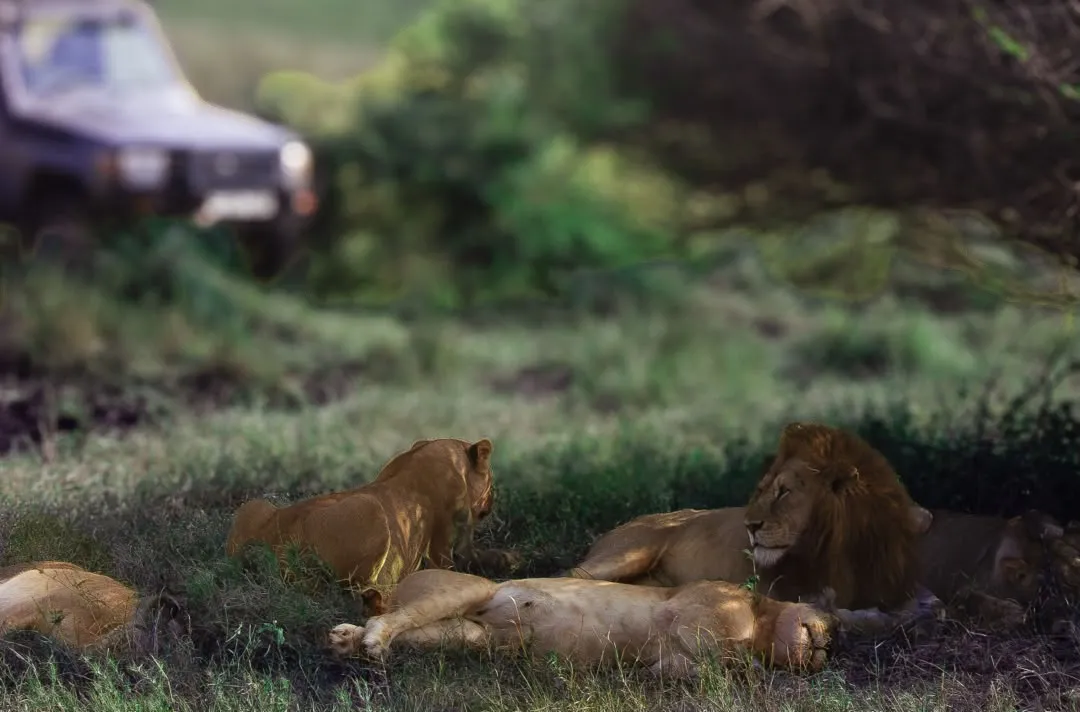
- Predator theatre: lions, hyenas, and cheetahs work the nursery. January is not “quiet safari”, it is intense.
- Classic plains photography: flat light, big skies, and herds that look endless from a 4x4 roof hatch.
- Fewer river-crossing expectations: Mara drama belongs to July–October. January is about volume and newborns.
Where to stay in January
Ndutu is the land of seasonal mobile and semi-permanent camps. Permanent lodges sit more easily in central Serengeti. Our Team usually recommends:
- 3–4 nights south / Ndutu if calving is the headline
- 1 crater day on the drive from Arusha, see our Ngorongoro guide
- Optional Tarangire night for elephants if you land in Arusha with energy to spare
Peak festive rates can linger into the first days of January. Travellers with flexible flights often aim for the second half of the month for calving odds without the holiday surcharge. Compare budgets in the safari cost guide.
January weather on safari
January is generally warm, with a chance of leftover short showers. Grass is green, dust is lower than in August, and game drives stay comfortable. Balloon slots over the south sell out, ask us to hold a balloon on the same quote as your safari package.
Sample 7-day January migration itinerary
- Day 1: Arrive Kilimanjaro or Arusha, overnight gateway
- Day 2: Tarangire National Park
- Day 3: Ngorongoro Crater, then south toward Ndutu
- Days 4–6: Ndutu / southern Serengeti game drives
- Day 7: Return to Arusha, or fly to Zanzibar
Want longer grass time? Stretch to 8–9 days or add Kilimanjaro before the parks. Browse migration safaris or group departures if you prefer shared dates.
Plan the rest of your Tanzania trip
Use these internal guides to lock parks, budget, and beach nights around your migration window:
- Great Migration overview, year-round herd map
- Best time to visit Tanzania, dry vs green season
- Serengeti National Park guide, regions, nights, balloon flights
- Ngorongoro Crater safari, classic pairing from Arusha
- Tanzania safari cost 2026 and Serengeti safari cost
- Tanzania safari packages · Serengeti safari tours · open group safaris
- Serengeti destination · Tarangire · Lake Manyara
- Kilimanjaro climbing packages · Zanzibar beach holidays · safari + Zanzibar combo
- Tanzania visa guide · free safari quote
- April in Tanzania · May in Tanzania · October in Tanzania
January migration FAQs
Is January a good month for the Great Migration?
Will I see Mara River crossings in January?
How many nights should I spend in Ndutu in January?
Is January cheaper than July?
Can I combine January safari with Zanzibar?
Book January with a local Arusha operator
Licensed Tanzania Safari Magic team · private 4x4 · live herd updates before you fly.